Logbook
RSS feed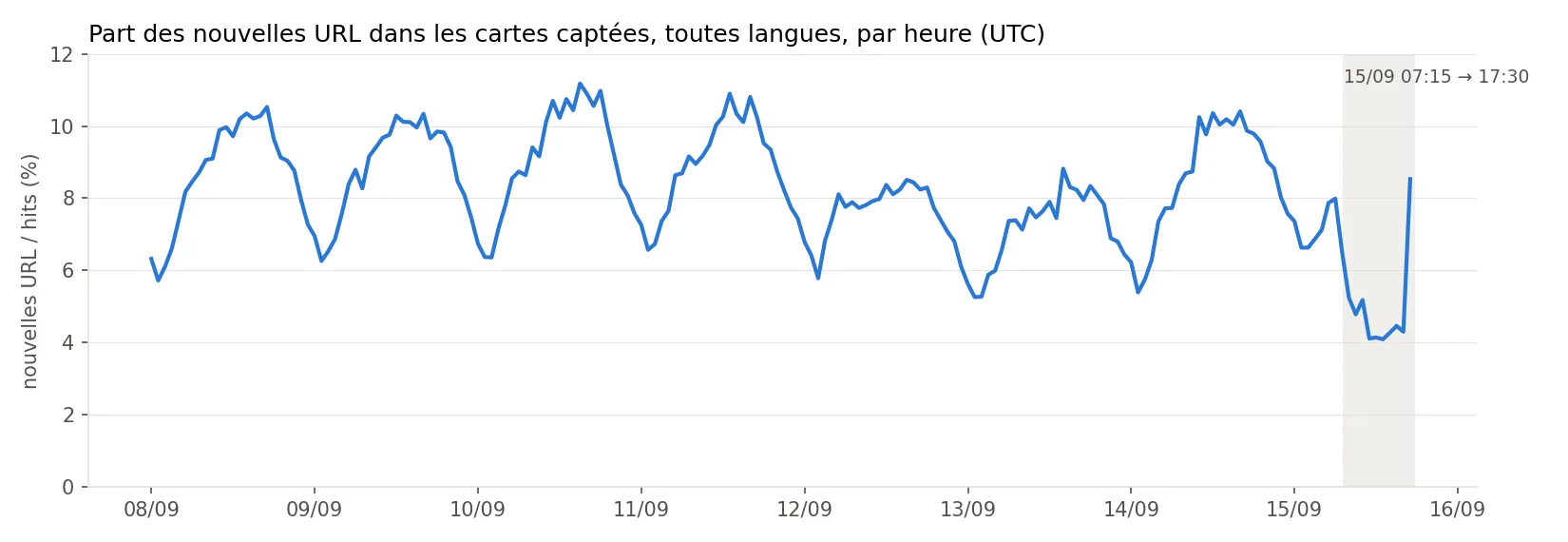
Google Discover, September 15, 2026: ten hours without fresh articles
Between 07:15 and 17:30 UTC, Discover kept serving its usual volume of cards but stopped admitting new articles. Every language we track was hit at the same minute, the median age of articles served in the EN market went from 6 to 23 hours, and recirculation pipelines took the place of the admission ones.
Read →
The prompt-driven feed leaves the labs: what we documented in June is now rolling out to everyone
Google is rolling out natural-language Discover feed tuning to everyone. Six months of field tracking, the pipeline behind it, and why this channel mostly carries content that had almost never circulated in Discover.
Read →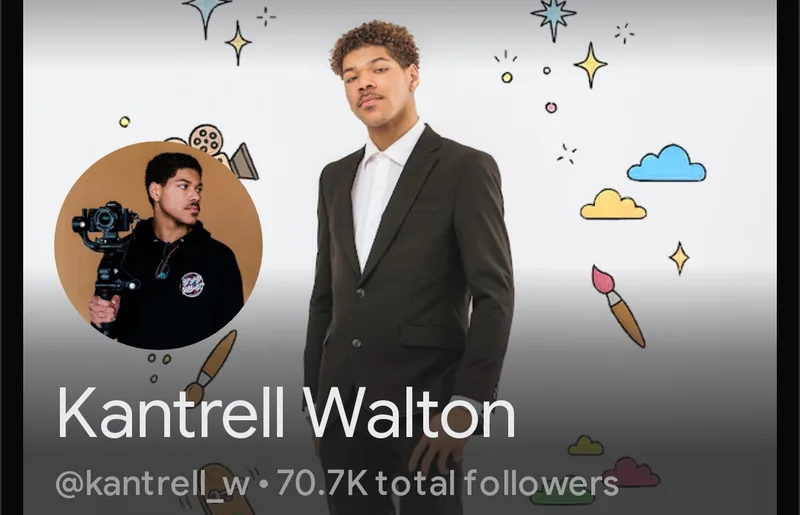
Your name on Google: you finally get to pick it (almost)
Google is opening Handle Swapping in beta: a Search profile's handle is no longer imposed by the most followed verified account, you choose it. A convenience setting in appearance, a decision about identity architecture in fact.
Read →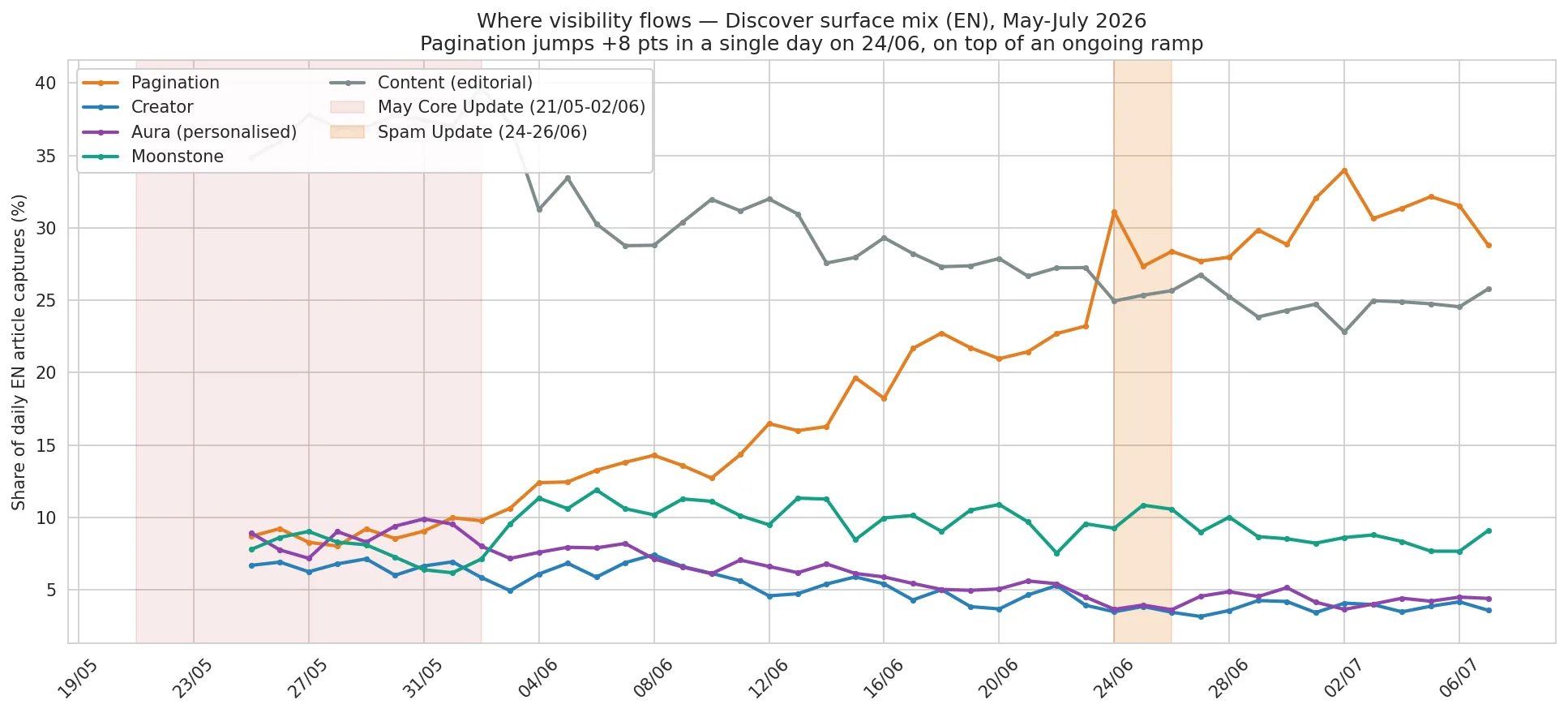
The June spam update didn't change the winners: it changed the plumbing
No volatility spike, giants without a single loser. And yet, in one day, close to a third of the English Discover feed switched distribution channels, and our quality score stratifies who falls. Measurements across 1,800 English-language sites.
Read →
Google Discover and cold-start: how fresh articles can get tested in the feed
Who does Discover show your fresh article to in its very first hours? A rare trace in the feed suggests the real battle over freshness is fought on the choice of that first test audience.
Read →
Putting the data inside: an Open Knowledge Format use Google did not illustrate
What if the deliverable were not a frozen PDF but the curated data itself, readable by any agent with no access to our database? What changes when an OKF bundle carries its own numbers.
Read →
OKF data bundles in practice: four use cases
What does an agent actually produce when you hand it nothing but files? Four real runs: the vein volume hides, the competitor call worth making, the templating trap, and the distribution ceiling.
Read →
Tailor Your Feed: The Google Discover fan-out that surfaces niche sites
Here's why it opens a third visibility path for small sites, beyond implicit affinity and the Follow button.
Read →
Headline formats and Google Discover: What 3.4 million articles reveal
This Google Discover study separates format from editorial context, showing why simple headline rewrites rarely deliver measurable lift.
Read →
From 54 pilot profiles to official rollout
what publishers should do now
Read →
EN : The Google Discover profile grew up
9 months later, an update on everything that changed since we first found the Follow button.
Read →
Recommendations by publisher profile: your Discover action plan
Last part of our Google Discover Pipelines series.
Read →
Google quietly gave 54 publishers control over their Discover profiles. Here's what they did with it.
The first systematic analysis of Google's invitation-only enhanced publisher profiles on Discover, based on monitoring 46,926 publishers.
Read →
Google Discover publisher profiles: 14 months of monitoring, 54 publishers, what nobody else has documented.
Google handed enhanced profiles to 54 publishers. What are they actually doing with that shop window, and how do you get yours ready before the program leaves the US?
Read →
What Discover does NOT let travel (and why)
Part 6/7 of our study on Google Discover pipelines
Read →